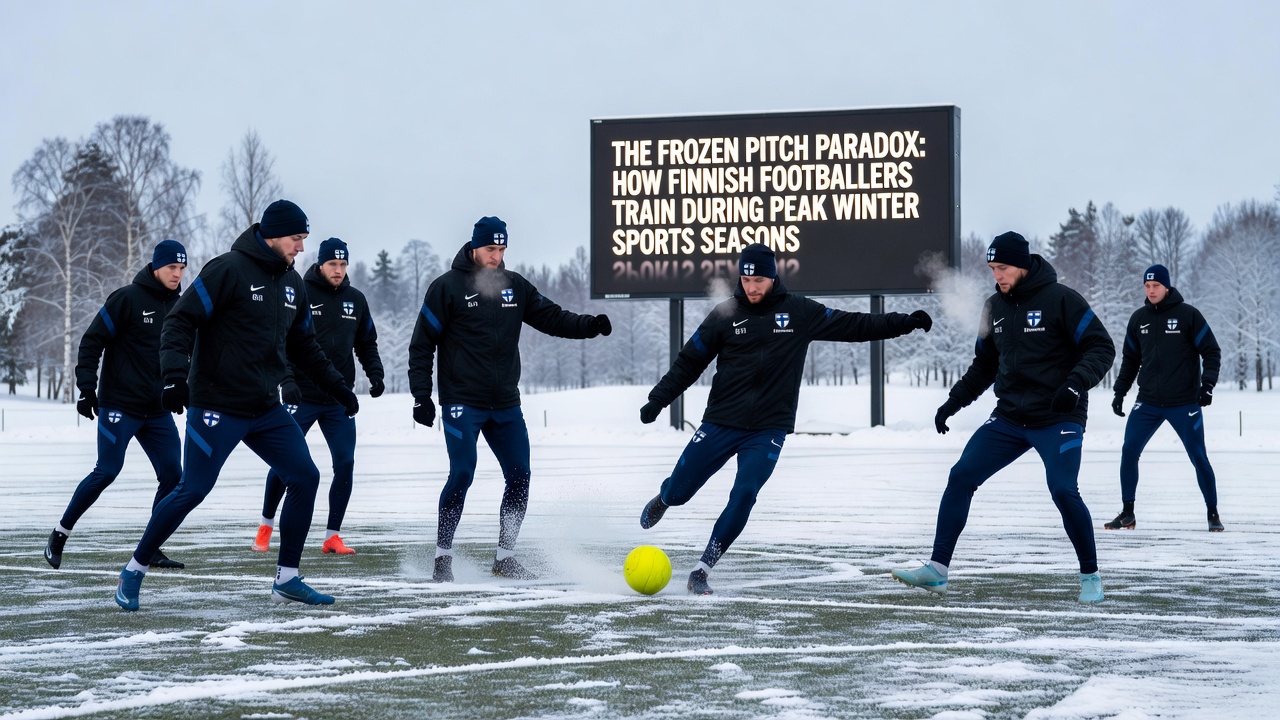
The Frozen Pitch Paradox: How Finnish Footballers Train During Peak Winter Sports Seasons
The Winter Challenge in Finnish Football
Finland experiences extended periods of sub-zero temperatures from November through March, which freezes outdoor pitches and limits traditional football practice, yet the national leagues maintain schedules that overlap with peak seasons for ice hockey and cross-country skiing. Data from the Finnish Football Association shows that clubs schedule roughly 40 percent of their annual training volume indoors or on artificial surfaces during these months, while players balance recovery protocols with endurance work that mirrors demands seen in winter sports. Observers note that this overlap creates logistical demands because facilities shared with hockey programs often reach capacity, forcing football teams to adapt session times or travel to southern venues where milder conditions allow limited outdoor work.
Indoor Facilities and Artificial Turf Systems
Clubs across the Veikkausliiga rely on heated indoor halls and synthetic pitches that remain playable even when natural grass lies dormant under snow, according to reports from regional sports authorities. Players complete technical drills, small-sided games, and strength sessions in these controlled environments, which maintain temperatures between 10 and 15 degrees Celsius. Research conducted at the University of Jyväskylä indicates that consistent access to such venues correlates with lower injury rates among elite players during the transition from winter training to the spring competitive block. Teams also integrate altitude simulation rooms and high-intensity interval setups that replicate the metabolic stress of matches played in colder conditions.
Coaches adjust load management by monitoring heart-rate variability and GPS-tracked movement data collected during each session, allowing them to fine-tune volume so athletes arrive at the April restart without accumulated fatigue. This approach draws on practices observed in Canadian winter training programs, where similar climate constraints shape year-round preparation.
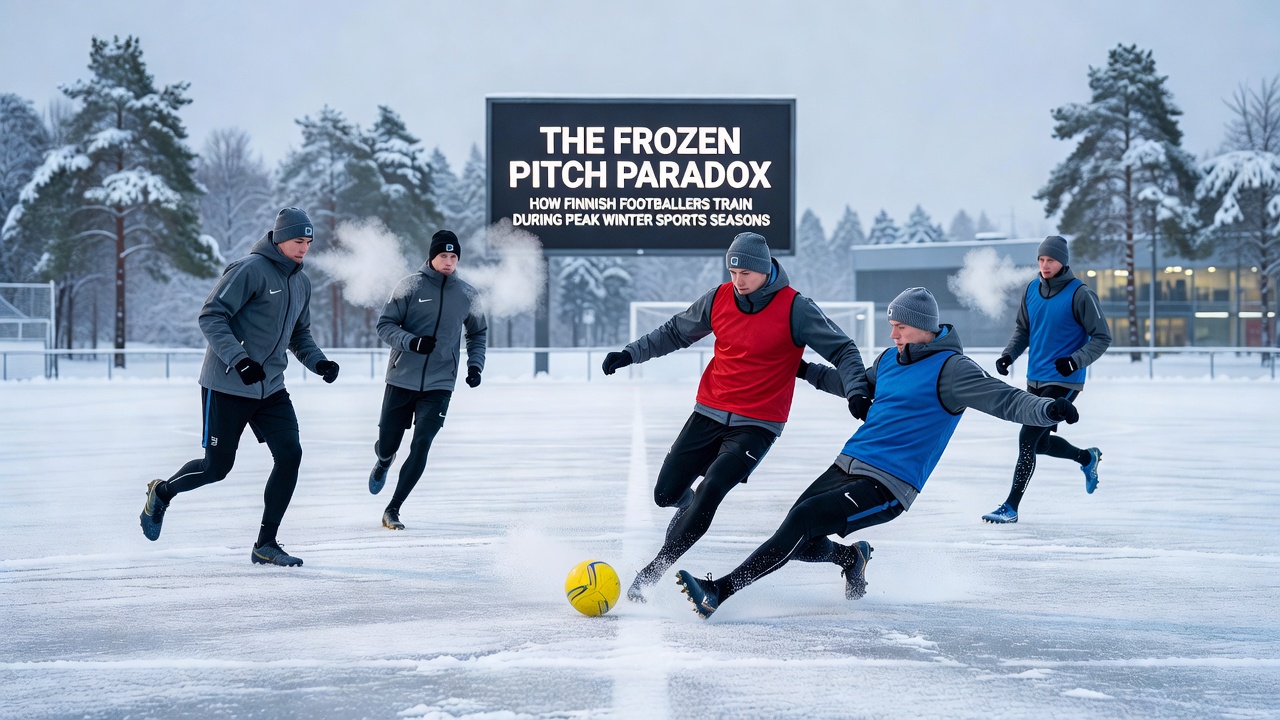
Cross-Training with Winter Sports Disciplines
Many Finnish footballers incorporate elements of cross-country skiing and skating into weekly routines because these activities develop lower-body power and aerobic capacity without high impact on recovering joints. National team staff coordinate wth winter sports federations to arrange joint conditioning camps, particularly in Lapland where specialized trails remain accessible throughout December and January. Figures released by the Finnish Olympic Committee reveal that players who log at least 15 hours of ski-based endurance work each winter show measurable improvements in repeated sprint performance once the outdoor football season resumes.
Strength coaches emphasize eccentric loading and core stability exercises that transfer across both football and hockey movements, reducing the risk of adductor strains common when athletes shift between surfaces. One documented program in Kuopio pairs under-19 footballers with junior hockey players for mobility circuits that emphasize lateral quickness and change-of-direction mechanics, skills valued in both codes.
Planning Cycles and the 2026 Horizon
August 2026 marks the start of pre-season preparations for the following Veikkausliiga campaign, a period when clubs review winter training outcomes from the preceding months and adjust methodologies ahead of international windows. Analysts tracking European club calendars note that Finnish teams often schedule friendly matches against Nordic and Baltic opponents during this window to test tactical patterns refined indoors. Data compiled by the European Club Association indicates that clubs with robust winter infrastructure report higher player availability rates entering the autumn fixtures compared with those reliant on limited facilities.
Medical teams continue to emphasize gradual reintroduction to natural grass once temperatures rise, incorporating progressive loading protocols that account for the stiffness players experience after months on artificial turf. These measures align with guidelines issued by sports medicine bodies operating across Scandinavia.
Future Developments in Training Infrastructure
Investment in multi-sport complexes continues across major cities, with new venues designed to accommodate both summer and winter codes under one roof. Government funding allocated through the Ministry of Education and Culture supports upgrades that include retractable roofs and advanced climate control, reducing scheduling conflicts during peak demand periods. Clubs report that these facilities allow for more integrated periodization plans, where football-specific work runs alongside hockey and skiing sessions without compromising recovery windows.
Long-term studies tracking cohorts of players born after 2005 examine how early exposure to varied winter training environments influences career longevity and injury profiles. Preliminary results suggest that diversified loading patterns contribute to sustained performance levels into the late twenties, a trend monitored closely by national federation performance analysts.
Conclusion
Finnish footballers navigate frozen conditions through structured indoor programs, cross-training partnerships, and data-driven load management that align with the realities of overlapping winter sports calendars. These methods support continuous development even when outdoor pitches remain unusable for extended periods. As infrastructure expands and research refines protocols, clubs maintain competitive readiness across seasonal transitions while coordinating resources with other national sporting bodies.